Why Lynchburg Basements Face Seasonal Water Pressure
Living in Lynchburg means living with the James River. The river shapes the weather here, and the weather shapes what happens under your home. Spring brings long soaking rains that saturate the clay soil around foundations. Summer thunderstorms dump inches in a single afternoon. Fall nor'easters and winter freeze-thaw cycles add their own stress. For a homeowner, this cycle is not just a weather report. It is a yearly test of how well your basement keeps water out.
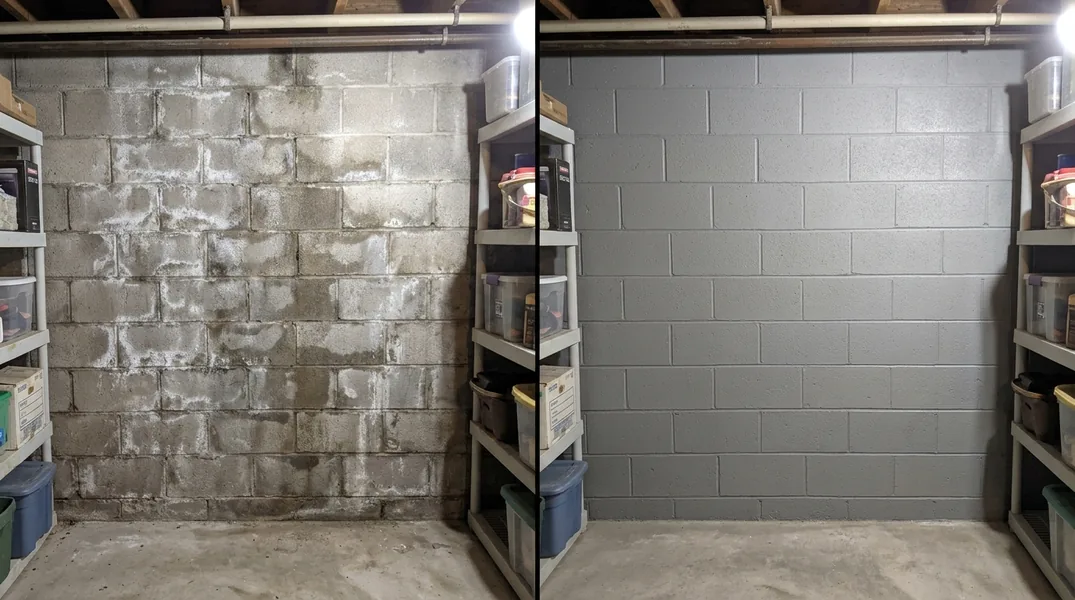
When the ground cannot absorb rain fast enough, water pools against the foundation and finds the smallest crack, the weakest joint, or the porous block. That is how Lynchburg basement flooding starts, often quietly at first. You may notice a musty smell, a white powdery stain on the wall, or a damp spot near the floor. By the time water is standing on the floor, the problem has usually been building for seasons. Understanding the local water cycle is the first step toward real Basement Waterproofing.
Storm Water, James River Rains, and a Rising Water Table
Heavy rain does more than run down the gutter. It raises the water table, the underground level where soil is fully saturated. In low-lying neighborhoods near the James River and its tributaries, that table can climb fast. When it rises above your footing drain or foundation base, water pushes against the walls from below and from the side. This is rising water table basement pressure, and it is one of the hardest forces for a homeowner to fight alone. Hydrostatic pressure does not need a visible crack to get in. It seeps through mortar joints and concrete pores.
Storm water basement problems also come from above. Clogged gutters, downspouts that dump right at the corner, and grading that slopes toward the house all send roof water straight to the foundation. In Forest and Timberlake, where lots often sit on slopes, runoff from uphill neighbors adds to the load. The result is the same: water collects where you least want it. A James River flood basement risk is not only about the river cresting. It is about all the water the river valley sends toward your walls.
Basement Flood Prevention: What Homeowners Can Do First
Before calling anyone, you can reduce the odds of basement flood prevention failing on your watch. Start with the roof. Clean the gutters twice a year and extend downspouts at least six feet from the foundation. Check the grading around the house and add soil where it slopes back toward the walls. Make sure window wells are covered and clear of leaves. These steps are simple, cheap, and they matter, especially in older Madison Heights homes where original grading has settled over decades.
Inside, keep an eye on the floor and walls after every big storm. A dehumidifier helps with humidity, but it does not stop water entry. If you see efflorescence (the white powder), rust stains, or a hairline crack that darkens after rain, document it with photos and dates. That record will help a professional diagnose the source. It also helps you ask better questions when you request a free estimate. Prevention is mostly about managing water before it reaches the foundation, and that is where a site inspection pays off.
Basement Waterproofing Near Me: When to Call a Pro
Some water problems are DIY-friendly. Others need a professional eye. Call a pro when water returns after every heavy rain, when the floor stays damp, when you smell mold, or when you see cracks that are widening. If your basement has finished walls, hidden moisture can damage drywall and framing long before you notice. A trained inspector can trace the water path and recommend the right fix instead of guessing. That is the difference between treating a symptom and solving the problem.
For many Lynchburg homes, the right solution is an Interior Drain Tile System that captures water at the footing and routes it away, paired with a sump pump for storm surges. When the problem starts outside, Exterior Basement Waterproofing can address the source by improving drainage and sealing the foundation from the soil side. And when cracks and porous walls are the issue, Foundation Waterproofing strengthens the barrier itself. The best choice depends on your soil, your grading, and how the water is getting in. A local pro who knows Lynchburg soil and storm patterns can tell you which approach fits your home.
Basement Waterproofing Cost in Lynchburg: What to Budget
Homeowners often ask what waterproofing will cost before they know what is wrong. The honest answer is that it depends on the cause and the fix. A simple crack injection costs far less than a full interior drain system, and exterior work costs more because it involves digging. Square footage, accessibility, and whether the basement is finished all affect the number. What matters most is matching the solution to the actual water source, so you do not pay twice for the same problem.
The best way to plan is to get a written scope and clear pricing before work begins. Ask what is included, how long the fix is expected to last, and whether a warranty covers labor and materials. A reputable contractor will explain the options and let you choose. If you are ready to stop guessing, call Lynchburg Waterproofing at (434) 266-6497 or request a free estimate and get a plan built for your home and your budget.
Looking for a professional basement waterproofing contractor in Lynchburg? Lynchburg Waterproofing responds fast for all your basement waterproofing needs.
Get a Free QuoteOur services: Basement Waterproofing · Interior Drain Tile System · Exterior Basement Waterproofing